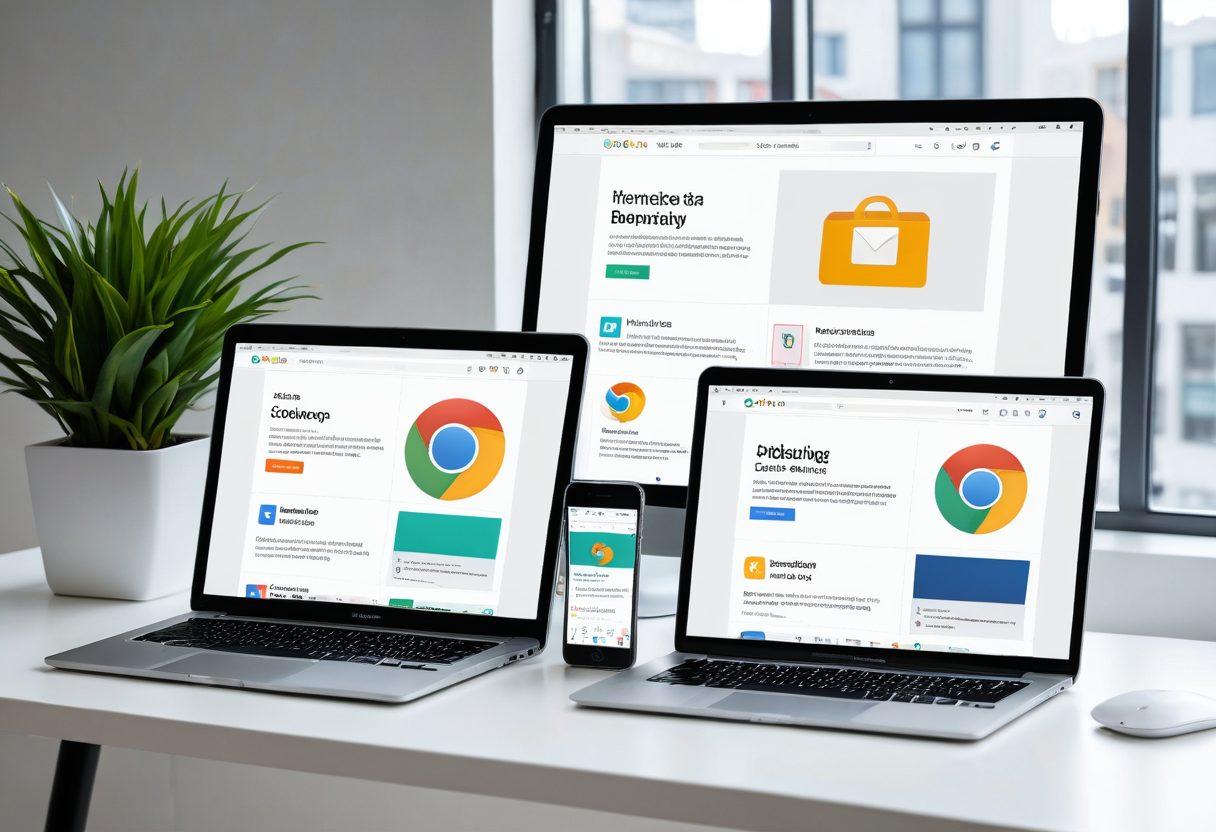
The Ultimate Guide to Mastering Frontend Development: From HTML to Advanced UI/UX Design
In the ever-evolving world of web development, mastering the fundamentals of frontend engineering is crucial. Remember when you first saw a beautifully crafted website and wondered, 'How did they do that?' Well, it all begins with a solid foundation in the bedrock technologies of HTML, CSS, and JavaScript. Whether you're aiming to create responsive design elements or dive deep into adaptive design for diverse devices, understanding these core components is the key to unlocking advanced capabilities in frontend development.
Building a house starts with laying the foundation; similarly, building a website begins with understanding HTML—Hypertext Markup Language. HTML is the backbone of any website, providing the essential structure that holds your content together. Think of HTML as the scaffolding, giving form and function to your web pages. But structure alone isn't enough; what truly brings a page to life is the styling, which is where CSS—Cascading Style Sheets—comes into play. CSS is the art of visual design, transforming plain HTML elements into visually stunning experiences.
Once you have a grasp on HTML and CSS, the next step in web development is mastering JavaScript, or JS. JavaScript is the magic wand that adds interactivity to your site, enabling dynamic content and engaging animations. Imagine visiting a website that feels more like an immersive experience rather than just a static set of pages. From seamlessly updating content without refreshing the page to creating intricate user interface design elements, JavaScript is where your frontend solutions start to shine. ECMAScript, the standardized version of JavaScript, ensures your code is consistent across various browsers, enhancing cross-browser compatibility and user engagement.
As you dive deeper into frontend development, you'll encounter the nuances of UI/UX design, or user interface and user experience design. The aim here is to create web interfaces that are not only functional but also intuitive and delightful to use. User-centered design practices ensure that your site meets the needs and expectations of its audience. By prioritizing mobile-first design principles and ensuring web accessibility, you can create digital solutions that are inclusive and usable by everyone, regardless of their device or abilities.
In today's digital landscape, offering top-notch frontend services extends beyond just coding a website. It encompasses a holistic approach that includes website optimization for speed and performance, ensuring adaptive design for different devices, and creating web applications that provide seamless interactions. Reflect on this journey and ask yourself: what more can I achieve in this incredibly dynamic field of frontend engineering? Whether you're a seasoned pro or just starting out, sharpening your skills in HTML, CSS, and JavaScript sets the stage for mastering the art and science of advanced UI/UX design, ultimately delivering powerful web solutions that captivate and convert.
Creating Stunning Interfaces: Advanced Techniques in UI/UX Design for Modern Websites
In today’s digital age, creating stunning interfaces is more critical than ever. As the digital landscape rapidly evolves, the importance of UI/UX design in web development continues to grow. Whether you're an experienced developer or just breaking into the world of frontend development, understanding advanced techniques in UI/UX design can set your websites apart. But how do you transform something as straightforward as HTML into a breathtaking user experience? Let's explore the intricacies of modern website design, armed with the tools of advanced UI/UX practices.
When diving into frontend development, you quickly realize that web design is not just about aesthetics—it's about creating an experience. User interface design focuses on the layout and interaction elements, while user experience design ensures that interactions are intentional and satisfying. Mastering these requires a blend of technical skills and a deep understanding of user needs. You'll use Hypertext Markup Language (HTML) for structuring content, Cascading Style Sheets (CSS) for styling, and JavaScript (JS) or ECMAScript for dynamic interactions. These three pillars form the foundation of your web interfaces, but layering in advanced UI/UX techniques elevates your site to new heights.
Consider responsive design—a must in today’s multi-device world. This approach ensures your website looks and performs great on any device, be it a desktop, tablet, or mobile. Responsive design is paired with adaptive design strategies to tailor experiences to specific device capabilities. Mobile-first design, a strategy where you start designing for the smallest screens first, then scale up, is becoming a standard practice. Ensuring cross-browser compatibility is another critical aspect, making sure that users, regardless of their browser choice, receive a consistently smooth and visually pleasing experience. These techniques not only enhance the user experience but also bolster website optimization and accessibility, making your web solutions more inclusive and high-performing.
Storytelling isn't just for authors; it’s an integral part of effective web design. Each page should narrate a story, guiding users seamlessly from one section to the next. For instance, interactive design elements like animations or transitions can create an engaging journey. Have you ever hovered over a button and experienced a delightful animation? That's the power of good visual design. Similarly, user-centered design practices focus on creating interfaces tailored to the end user's needs and preferences. By empathizing with the user, you craft experiences that are not only functional but also delightful.
Ultimately, mastering advanced techniques in UI/UX design for website development is about continuous learning and adaptation. It’s about keeping up with the latest front-end technologies and experimenting with new frontend solutions to deliver cutting-edge digital solutions. Whether it’s leveraging new frameworks, integrating advanced JavaScript features, or employing innovative CSS techniques, the goal is to create web services and applications that stand out. So, ask yourself—how can you evolve your web interfaces to be more intuitive and visually striking? The journey to becoming a proficient UI engineer is challenging but immensely rewarding, bringing both personal fulfillment and tangible business success.
Ensuring Seamless Experience: Responsive and Adaptive Design Strategies for Cross-Browser Compatibility
In the ever-evolving landscape of web development, ensuring a seamless user experience across various devices and browsers is paramount. Whether you're a seasoned frontend engineer or a newcomer to the realm of website development, understanding the principles of responsive and adaptive design is essential. These strategies are not just about making your site look good; they are about delivering an exceptional user experience, regardless of the user's device or browser choice. But how do you achieve this? What specific strategies can ensure that your website design is truly cross-browser compatible?
Responsive design is one cornerstone of modern web design. It allows your web interfaces to adjust fluidly to different screen sizes, ensuring that your content is easily accessible and visually appealing on any device. This approach typically involves the strategic use of Hypertext Markup Language (HTML) and Cascading Style Sheets (CSS). By utilizing CSS media queries, you can tailor the layout and appearance of your site to adapt to varying viewport dimensions. For instance, a single-column layout might transform into a multi-column grid when viewed on a larger screen, thanks to the power of responsive design. But is this enough to ensure a consistent experience across different web browsers?
Enter adaptive design—a strategy that goes hand in hand with responsive design but takes things a step further. Adaptive design involves creating multiple fixed layouts tailored to specific screen sizes and devices. While responsive design fluidly adapts as the screen size changes, adaptive design switches between different layouts based on predetermined breakpoints. This method can offer better performance for users as adaptive design loads only the essential resources needed for a specific layout, making it a viable option for frontend development. This user-centered design approach ensures that users get the best possible experience based on their context, device, and browser capabilities.
A critical aspect of both responsive and adaptive design is cross-browser compatibility. Given the plethora of browsers available—from Chrome and Firefox to Safari and Edge—it's vital to ensure that your website functions correctly and looks consistent across all. Tools like JavaScript (JS) and ECMAScript can help with creating interactive design elements that work seamlessly across these browsers. However, problems can still arise due to differences in how browsers interpret HTML, CSS, and JavaScript. Regularly testing your site on various browsers and devices and employing polishes or fallbacks for unsupported features can alleviate many of these concerns.
Achieving cross-browser compatibility and seamless user experiences is a complex but rewarding challenge in web development. Whether you’re aiming to improve your web applications, frontend solutions, or overall digital solutions, adopting robust responsive and adaptive design strategies is crucial. Consider incorporating mobile-first design principles, which prioritize the mobile experience and progressively enhance the display for larger screens. This can significantly improve your website optimization efforts. By focusing on these essential frontend engineering practices, you can create web services that are not only visually appealing but also accessible and efficient across all platforms. Remember, the goal is not merely to meet technical requirements but to enrich the user's journey at every touchpoint.